

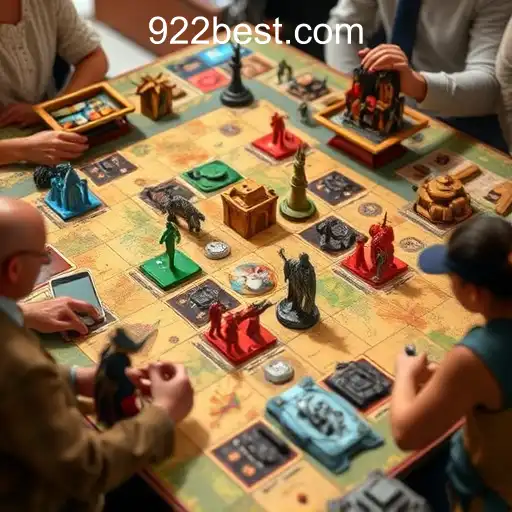
Exploring the World of Tabletop Games
In recent years, tabletop games have witnessed a resurgence in popularity. Gamers worldwide are turning to these tactile, interactive experiences as a form of entertainment and social interaction. Unlike digital games, tabletop games offer a tangible connection that screens often fail to provide. This genre includes a wide range of games, from strategic board games and card games to role-playing games (RPGs), bringing people together for fun and competition.
The Rise of Tabletop Gaming
The renaissance of tabletop gaming can be attributed to a variety of factors. Firstly, the growing enthusiasm around "922bet Oficial Slots Brasil #1" emphasizes how digital trends have sparked curiosity in parallel gaming forms. As players explore high-stakes betting and slots, they're often introduced to strategic components found in tabletop games.
Another factor contributing to the rise is the nostalgia associated with playing games in person. As digital platforms dominate the gaming landscape, gamers increasingly seek authentic face-to-face interactions. Board games provide a sense of nostalgia and remind players of simpler times before the digital age.
Diverse Game Types
Tabletop games comprise many genres, each offering unique experiences. For example, strategy games like "Settlers of Catan" challenge players to use resources efficiently and make tactical decisions. Card games such as "Magic: The Gathering" require strategic card management and adaptation to opponents' moves.
Role-playing games (RPGs) like "Dungeons & Dragons" immerse players in fantastical worlds where they assume the roles of characters embarking on epic quests. These games encourage creativity and storytelling and foster a sense of camaraderie as players collaborate to achieve their goals.
Impact of Social Interaction
The social element is one of the most appealing aspects of tabletop games. While digital games allow for online connectivity, they often lack the social dynamics found in real-world play settings. Tabletop games offer an opportunity to unplug, connect face-to-face, and engage in conversations and interactions beyond what's possible in a virtual setup.
Regular game nights can help strengthen relationships and build communities. Whether it's a weekly game night with friends or an impromptu session with family, these gatherings provide an avenue for bonding and mutual enjoyment. The sense of competition and collaborative play adds excitement and strengthens social ties.
Educational Benefits
Tabletop games are also cherished for educational benefits. They develop critical thinking, strategy, and problem-solving skills. Many games require players to calculate risks and consider consequences before making decisions, a valuable skill applicable both in gaming scenarios and real-life situations.
Moreover, games can educate players about various topics. Historical games like "Timeline" teach players about past events and historical context. Meanwhile, science-themed games introduce players to biological, chemical, and physical concepts fun and engagingly.
Engaging New Players
Even as veterans of the tabletop world bask in rediscovered glory, new gamers are continuously coaxed to the table. Accessibility and inclusivity in game design lower entry barriers, welcoming diverse players into the fold. Many games have been designed to ensure that they can be picked up quickly by newcomers while still offering depth for experienced players.
Moreover, online forums and communities provide resources to assist new players. Many devote time to explaining rules, offering strategies, and sharing experiences to ease newcomers' transition into the world of tabletop gaming.
The Role of Design and Aesthetics
One notable aspect of modern tabletop games is their sophisticated design and artistry. Game developers understand the significance of aesthetics, investing in high-quality illustrations, components, and packaging. A visually appealing game can heighten the gaming experience, creating an immersive environment that intrigues players.
Design innovations include game boards that change with each session, intricate miniatures, and custom dice that complement the game's theme. These elements invite players to return time and again, each session offering a unique experience.
Future of Tabletop Gaming
The future of tabletop gaming holds tremendous potential. With technological advancements, augmented and virtual reality poised to blend digital and physical gaming worlds. Projections include implementing AR for interactive elements while maintaining the core analog aspects that define a tabletop experience.
Developers continue to push boundaries by introducing new mechanics and hybrid games that offer the best of both worlds. The enduring appeal of tabletop games is assured, as its essence evolves over time to captivate both veteran enthusiasts and new players alike.
Conclusion
In essence, the world of tabletop games remains a vibrant and evolving landscape. Combining tradition and innovation, these games continue to bring people together and offer enriching experiences beyond their digital counterparts. As the tabletop community grows, the opportunities for enjoyment, learning, and social interaction are endless and will continue to inspire generations of gamers.