

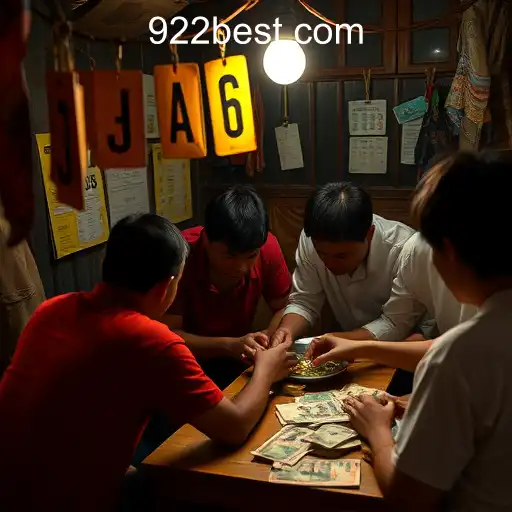
Understanding the Complex World of Jueteng
Jueteng is a popular illegal numbers game in the Philippines that has been part of the country's cultural and socio-economic framework for centuries. Despite its illegal status, jueteng continues to thrive in various parts of the country due to its deep roots and the promise of quick money for both the players and the organizers. As the game operates in an underground economy, it significantly impacts society, from funding political campaigns to influencing local economies.
The Mechanics of Jueteng
Jueteng involves betting on numbers, typically a two-digit combination, which is then drawn randomly. The mechanics are straightforward: players choose a number, place their bets, and wait for the draw results. Winning numbers are usually announced within the community, and winners receive payouts directly from the bet collectors. Despite the simplicity, the operation is meticulously organized, involving several key roles, including bet collectors or "kubrador," and financiers known as "lords."
The Cultural Significance
Jueteng holds a particular cultural significance in the Philippines. It has been deeply integrated into daily life, particularly in lower-income communities, where the opportunity of a big win is a hopeful escape from financial difficulties. Historically, jueteng emerged during Spanish colonial times and gained traction because it provided an alternative amusement and financial opportunity for Filipinos under colonial rule.
Social Implications
The game’s persistence raises questions about its broader social implications. Jueteng is often cited as both a scourge and a staple, presenting paradoxes that influence societal dynamics. On one hand, it provides employment opportunities in marginalized communities, offering jobs to thousands of collectors and coordinators. On the other hand, its illegal nature fosters corruption and diminishes trust in law enforcement and political institutions.
The Economic Impact
The economic influence of jueteng can be felt at various levels of society. Given its widespread participation, the money involved is substantial. This underground economy operates tax-free, with proceeds often going to the financiers or "jueteng lords." Despite not contributing tax revenues, jueteng paradoxically fuels local economies by providing liquidity among lower-income groups.
Influence on Local Politics
The extent of jueteng’s impact becomes particularly evident in its connection to political figures. In numerous cases, funds from jueteng operations are used to finance local campaigns, effectively entwining political power with illegal gambling interests. This relationship fosters a cycle of dependency and influence that complicates efforts to enforce gambling laws. Politicians can sometimes be seen protecting jueteng operations in exchange for electoral support, a phenomenon that complicates governance and development initiatives.
Attempts at Regulation
Efforts to regulate and eliminate jueteng have been met with limited success. The Philippine government has attempted various measures, from outright crackdowns to the introduction of legal alternatives like the Small Town Lottery (STL). However, due to ingrained cultural acceptance and the significant sums of money involved, these efforts have struggled to make a meaningful dent in jueteng’s operations.
Why Jueteng Persists
The persistence of jueteng is attributed to several factors, including poverty, lack of livelihood opportunities, and the lure of easy money. Furthermore, the organizational structure of jueteng is proficiently adaptable, allowing it to survive crackdowns by authorities. As a result, it continues to be seen as both a means of income and a social activity among its participants.
Challenges in Legal Frameworks
The ambiguity and sometimes inadequacy of legal frameworks surrounding gambling contribute significantly to the endurance of jueteng. Laws are often ineffectively enforced, and penalties for illegal gambling may be less severe than the social benefits perceived by those involved. In regions where law enforcement is weak or compromised, jueteng operations find fertile ground to thrive.
The Intersection with Modern Technology
Interestingly, the rise of online gaming platforms has added a new dimension to traditional gambling forms such as jueteng. Through online platforms, organizers can potentially expand their operations to broader audiences, leveraging digital communication tools to reach customers more efficiently. While online platforms promise more organized and regulated betting, they simultaneously present challenges in curbing unauthorized local gambling enterprises, leading to a complex interplay between traditional and modern forms of gaming.
Conclusion
As societies continue to evolve, the future of jueteng remains uncertain amid evolving legal standards and technological advancements. Nonetheless, understanding its cultural and socio-economic facets is crucial for any attempts to address the phenomenon. Without addressing the underlying issues of poverty and unemployment that drive its appeal, eliminating jueteng will likely remain a daunting challenge for policymakers in the Philippines.
Looking Forward
The ongoing debate around jueteng requires a balanced approach that considers social impacts, economic benefits, and ethical questions. Policymakers must weigh the cultural integration of jueteng against the rule of law and the potential pathways for its formal regulation or elimination. Meanwhile, understanding the full spectrum of jueteng's role offers insights into broader societal challenges, potentially guiding more effective policy interventions in the future.